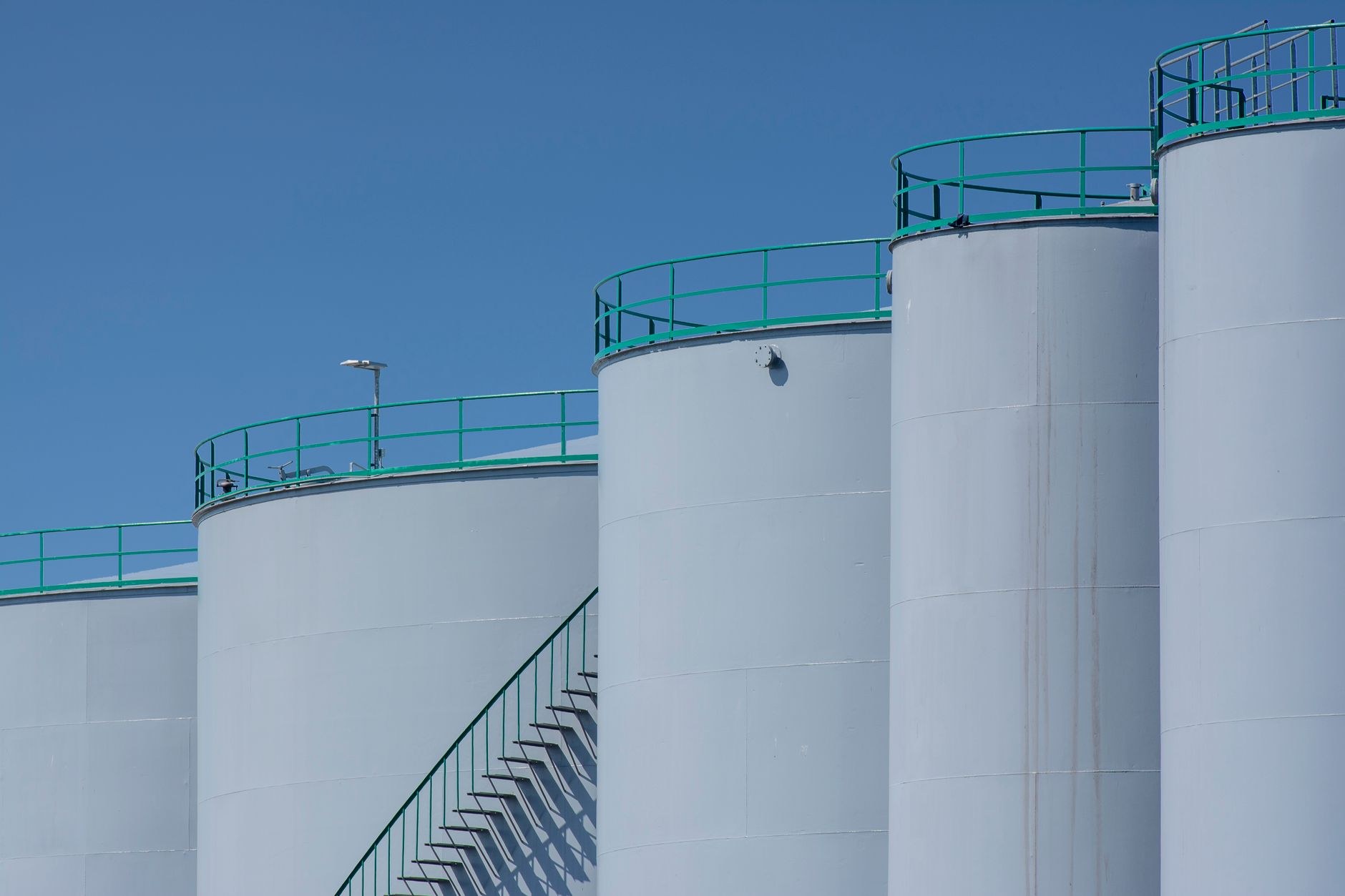
Chemical storage tanks and pipeline at a monomer production site

POLYMER-GRADE MONOMER SUPPLY

INEOS VAM

Polymer-grade vinyl acetate monomer (CAS 108-05-4), supplied by Anhui Liwei Chemical Co., Limited to producers of PVAc, PVA, VAE and EVA.

Vinyl acetate monomer is the reactive building block behind emulsion adhesives, latex paints, textile sizes and EVA copolymers. What matters at the reactor is not the headline purity figure but whether every lot behaves the same way — same water content, same acidity, same inhibitor level, same induction period. That is the part of VAM supply we build the business around.

  • Polymer grade, 99.5 % typical
  • Hydroquinone inhibited, level set to order
  • Drums, IBCs and ISO tanks
  • Lot-specific documentation before dispatch
CAS 108-05-4 Vinyl Acetate Monomer, polymer grade 99.5%
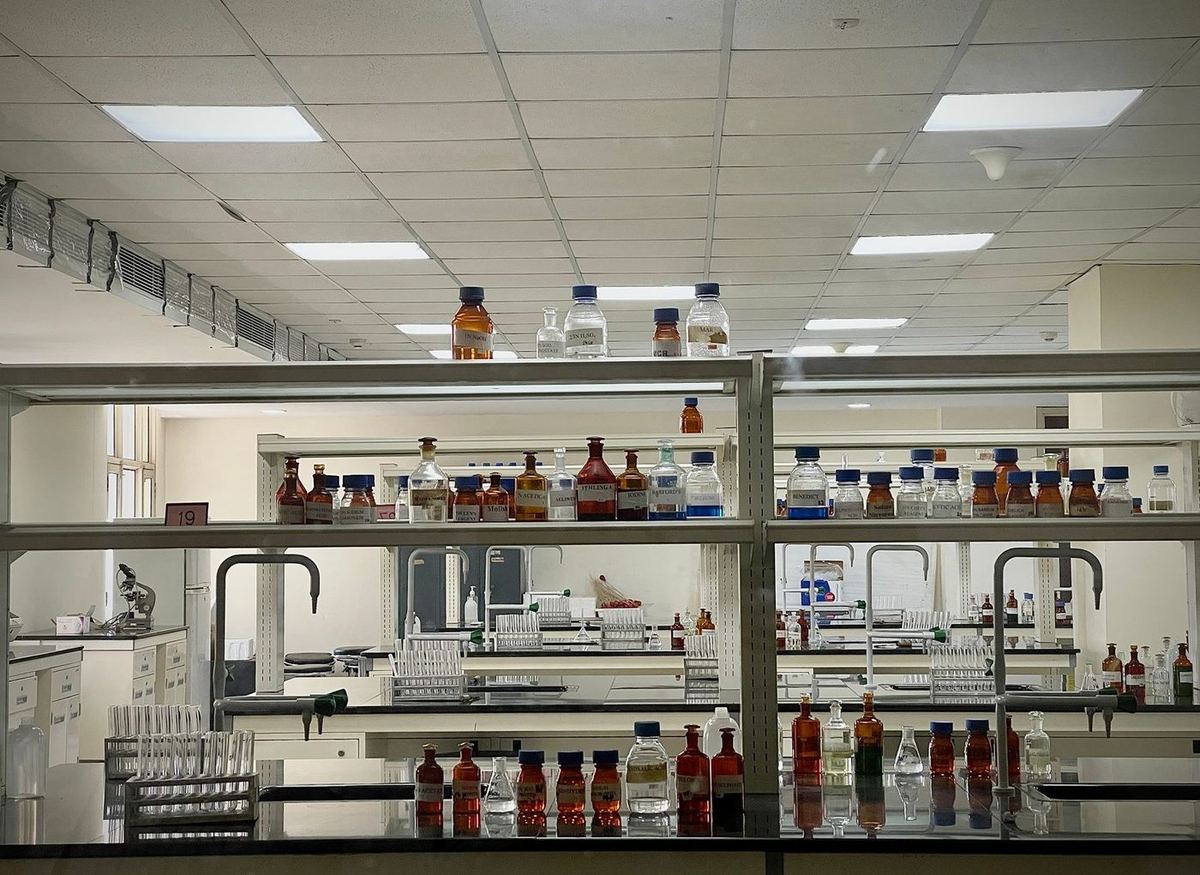
Laboratory bench with glassware used for monomer quality control

ABOUT THE COMPANY

About the Company

Anhui Liwei Chemical Co., Limited supplies INEOS vinyl acetate monomer to polymer producers, adhesive formulators and coating manufacturers.

VAM is an unforgiving molecule to handle. It polymerises on contact with heat, light or certain metal ions. It is highly flammable, with a flash point close to −8 °C. Its specification drifts quickly once water enters the system, because water drives hydrolysis to acetaldehyde and acetic acid. Moving liquid is the easy part; controlling the conditions along the way is the actual work.

Anhui Liwei Chemical Co., Limited organises its VAM business around exactly that. We supply INEOS vinyl acetate monomer against the producer's published specification, keep it inhibited through every transfer, and release each lot against documented criteria for purity, water, acidity, aldehyde and inhibitor content. Our sourcing, inspection and dispatch functions work to internationally recognised quality standards, and third-party inspection at loading can be arranged on request.

For a polymer plant, the practical value is predictability. Quality that does not move between deliveries. Packaging sized to what the plant can consume before inhibitor levels drift. Export documentation completed before the vessel is booked, not while it waits at anchor. That is the standard we hold the supply chain to.

THE RISK

  • Polymerises on contact with heat, light or certain metal ions
  • Highly flammable, flash point close to −8 °C
  • Hydrolyses to acetaldehyde and acetic acid once water enters

OUR CONTROL

  • Specification released against the producer's criteria, lot by lot
  • Inhibitor and moisture controlled through every transfer
  • Packaging scaled from 190 kg drums to full ISO tanks
  • UN-certified dangerous-goods packaging and documentation
  • Third-party inspection at loading on request

PRODUCT

INEOS VAM Overview

A colourless, mobile ester with a fruity odour — and one of the most versatile monomers in the coatings and adhesives chain.

INEOS VAM is vinyl acetate monomer, a clear liquid whose carbon–carbon double bond makes it more reactive than most commodity esters. It homopolymerises to polyvinyl acetate, hydrolyses to polyvinyl alcohol, and copolymerises with ethylene, vinyl chloride, acrylates and maleates to build materials with a very different balance of flexibility, adhesion and barrier performance. That same reactivity is the handling challenge. Heat, light, peroxide contamination or a depleted inhibitor will trigger spontaneous exothermic polymerisation, which is why commercial VAM is always supplied inhibited with hydroquinone and must be kept oxygen-bearing in storage. Our stock is held, sampled and dispatched inside those limits.

01

One monomer, many polymers

PVAc, PVOH, PVB, VAE, EVA, EVOH and vinyl-acrylic copolymers all start here.

INEOS vinyl acetate monomer supplied in UN-certified packaging
02

Reactivity under control

Hydroquinone inhibited, with the level matched to your shipping and storage window.

PVAc Emulsion PVA EVA VAE PVB Adhesives Binders
03

Packed for your consumption rate

From 190 kg drums to 20–22 t ISO tanks, so stock turns over before stability degrades.

TECHNICAL DATA

VAM Technical Data

Physical and chemical properties per the international chemical safety card for vinyl acetate (ICSC 0347) and public reference data. Commercial limits are typical and vary with grade.

Identity and physical properties
Chemical nameVinyl acetate monomer (VAM)
SynonymsEthenyl acetate; acetic acid vinyl ester; 1-acetoxyethylene
CAS number108-05-4
EC number203-545-4
UN number1301 (class 3, packing group II)
Molecular formulaC4H6O2 / CH3COOCH=CH2
Molar mass86.09 g/mol
AppearanceColourless liquid, characteristic fruity odour
Boiling point72.7 °C at 101.3 kPa
Melting point−93.2 °C
Relative density (water = 1)0.93 at 20 °C
Relative vapour density (air = 1)3.0
Vapour pressure11.7 kPa at 20 °C
Flash point−8 °C (closed cup)
Auto-ignition temperature385 °C
Explosive limits in air2.6–13.4 vol%
Water solubilityapprox. 20 g/L at 20 °C
Partition coefficient (log Pow)0.73
Typical commercial specification — typical values, not for specification.
Purity (vinyl acetate)99.5 % min. (premium grades to 99.9 %)
Water0.05–0.20 % max.
Acidity as acetic acid0.005–0.02 % max.
Acetaldehyde0.02 % max. (0.01 % for low-aldehyde grade)
Methyl acetate0.2 % max.
Colour (Pt-Co)5–10 max.
Inhibitor as hydroquinone3–20 ppm, set to customer requirement
Distillation range71.0–73.5 °C

Values above are typical for polymer-grade material and depend on producer, plant and grade. Confirm the released specification for the lot you will receive before setting reactor parameters.

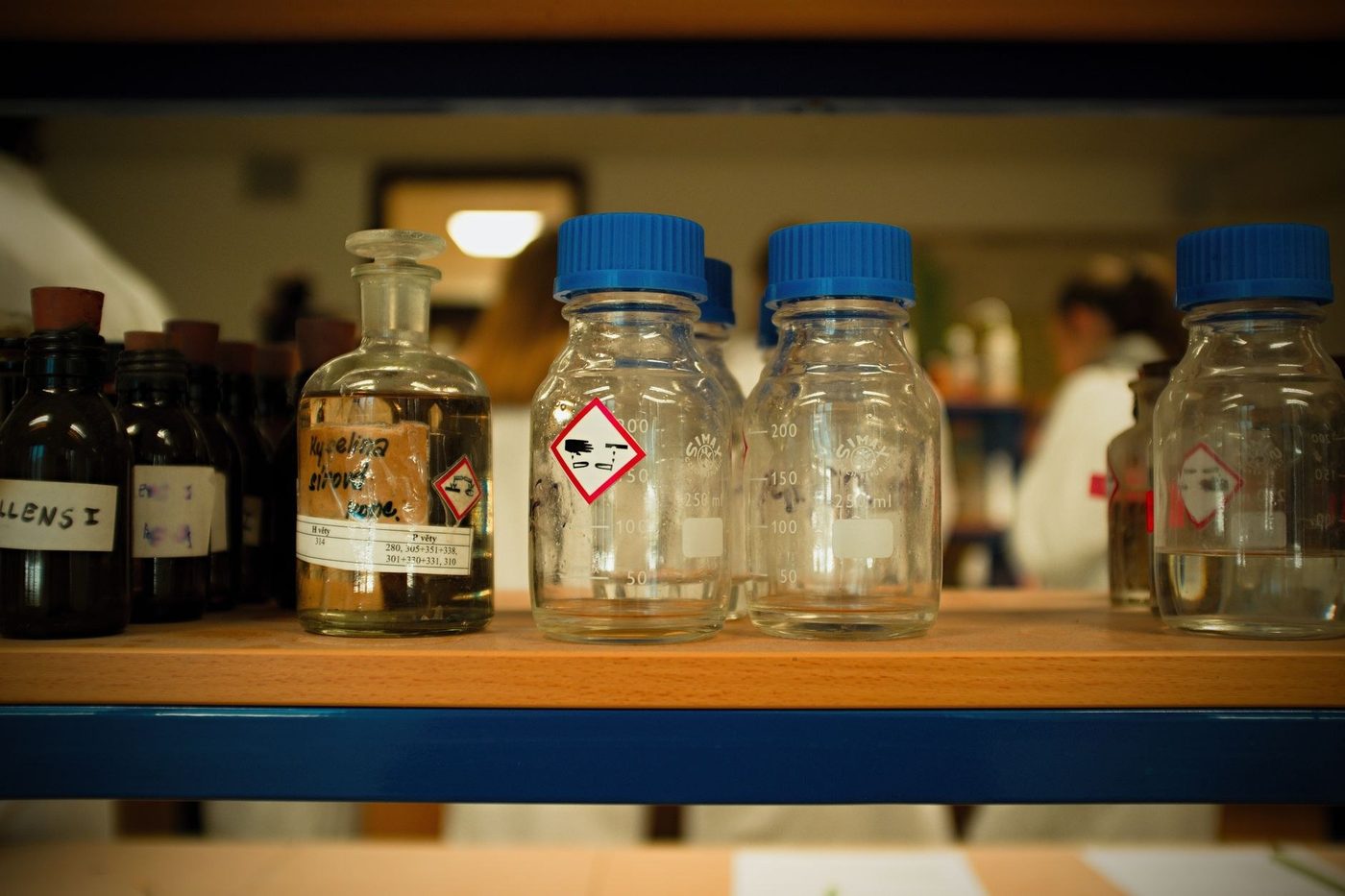
Laboratory glassware and reagent bottles used for vinyl acetate monomer testing

APPLICATIONS

Where VAM Performs

VAM is rarely the end product. It is the monomer that decides how well the next material sticks, flexes or seals.

Conical flasks with clear liquid samples in a laboratory
01

PVAc homopolymer and emulsion adhesives

Wood adhesives, paper and board converting, packaging and laminating glues, textile bonding. VAM is fed under starved conditions into an aqueous emulsion to control chain transfer and molecular weight distribution.

02

Polyvinyl alcohol (PVOH)

Hydrolysed from PVAc, PVA carries VAM into textile sizing, paper coating and reinforcement, water-soluble film and protective colloids.

03

VAE emulsion

Copolymerised with ethylene into latexes for architectural paints, tile adhesives, waterproofing membranes and non-woven binders, with better flexibility and lower plasticiser demand than straight PVAc.

04

EVA copolymer resin

High-pressure copolymerisation with ethylene for solar encapsulant film, footwear midsoles, hot-melt adhesives and packaging film. Acetate content sets crystallinity, softness and tack.

05

PVB and safety-glass interlayers

VAM to PVAc to PVB, the interlayer that bonds laminated automotive and architectural safety glass.

06

Coatings, inks and binders

Vinyl-acrylic copolymers for interior and exterior latex paints, paper coatings and industrial binders; the vinyl component contributes adhesion, the acrylate contributes weathering.

Beyond these, VAM also feeds vinyl chloride–acetate copolymers and EVOH barrier layers for coextruded packaging.

WHY CHOOSE US

Why Choose Us

What a monomer supplier actually has to get right.

Reagent bottles and sample containers on a laboratory bench
01

Specification discipline

Purity, water, acidity, aldehyde and inhibitor verified against documented criteria before a lot is released, not after it reaches your tank.

02

Inhibitor integrity

Hydroquinone level confirmed at loading and an oxygen-bearing headspace preserved in transit, so the inhibitor is still active on arrival.

03

Packaging that matches consumption

Drums, IBCs or ISO tanks according to your monthly draw, so stock turns over before stability degrades.

04

Export execution

UN-certified packaging, class 3 dangerous-goods documentation, verified weights and pre-shipment inspection prepared before the vessel closes.

05

Polymerisation support

Guidance on water, acidity and aldehyde tolerance limits for your route, whether that is emulsion, suspension or high-pressure copolymerisation.

06

One named contact

Fred Wang handles the enquiry, the quotation, the shipping documents and the arrival. No handovers.

PACKAGING AND DELIVERY

Packaging and Delivery

VAM is a class 3 flammable liquid with a flash point near −8 °C. Packaging and storage are part of the specification, not an afterthought.

Steel drum 190–200 kg UN-certified, epoxy-phenolic lined, four drums per pallet
IBC approx. 1,000 kg Metal-framed, replaceable inner container
ISO tank 20–22 t Bulk; insulated options available
Road tanker on request For dedicated storage at customer site

Storage

Hold VAM at roughly 15–25 °C, out of direct sunlight and away from heat, sparks, static discharge and strong oxidisers, acids or bases. Hydroquinone only works in the presence of oxygen: general practice is to keep 5–21 vol% oxygen in the tank headspace and never to rely on pure nitrogen blanketing, which deactivates the inhibitor and allows runaway polymerisation. Tanks are normally stainless steel 304L or 316L, aluminium, or epoxy-phenolic lined carbon steel; wet monomer held in unlined carbon steel can pick up iron and shift colour. Above 30 °C inhibitor depletion and acetaldehyde formation accelerate, so bulk stock should be turned over rather than stored warm.

Delivery

Shipments move under UN 1301, class 3, packing group II, with dangerous-goods trained carriers. Packing lists, marks, safety documentation and certificates of origin are prepared before loading so that customs clearance does not become the bottleneck.


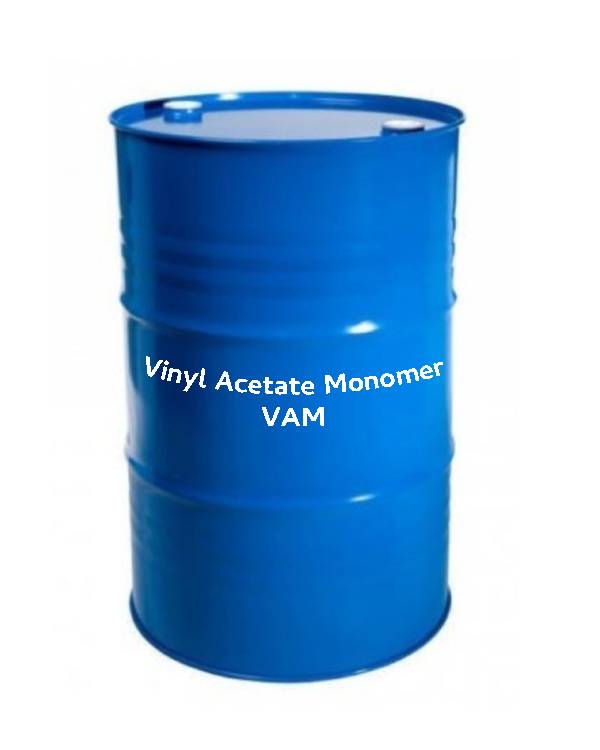
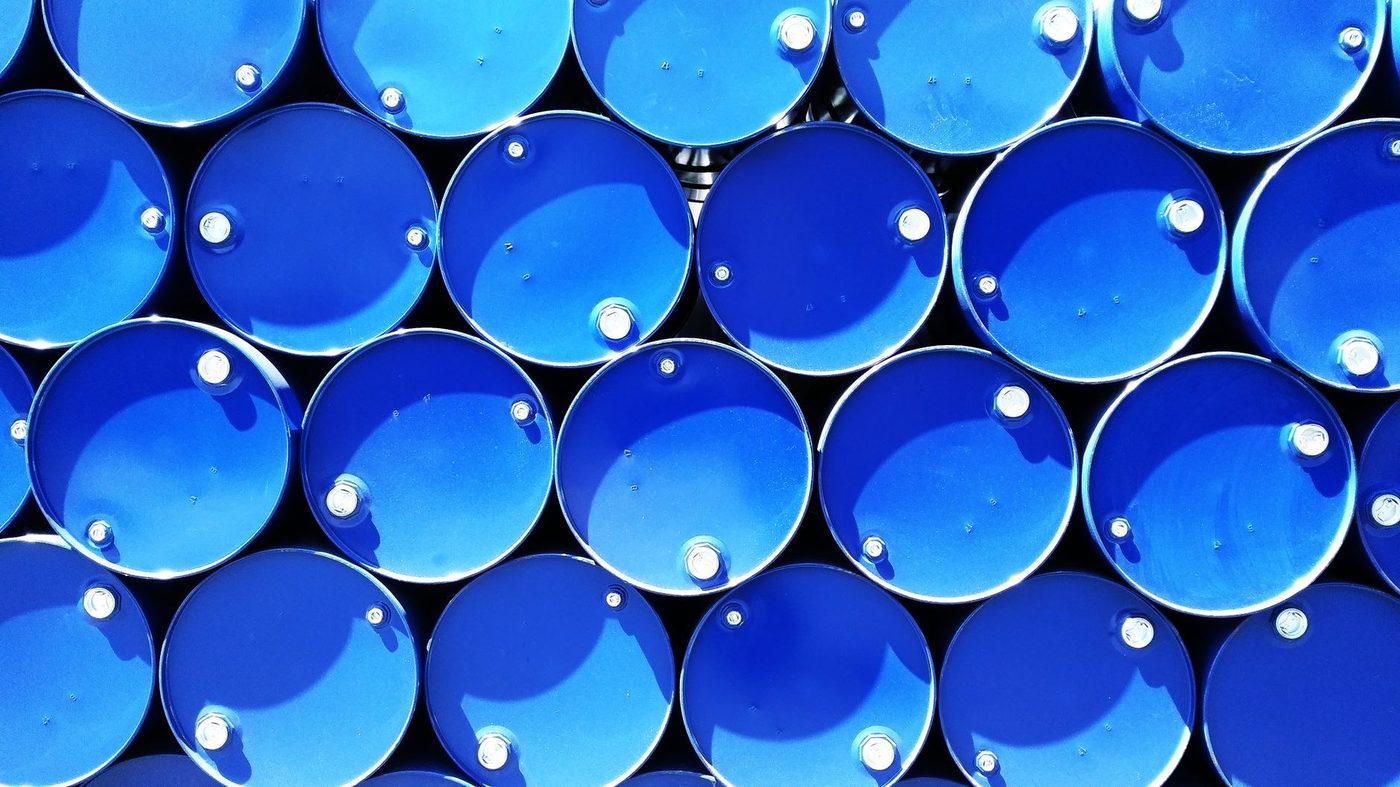
Steel drums and ISO tank packaging for vinyl acetate monomer

INSIGHTS

Industry Insights

Test tubes in a rack on a chemical laboratory bench
Technical

Managing Inhibitor Levels in VAM Storage

Hydroquinone protects VAM only while oxygen remains in the headspace. How temperature, tank material and turnover rate change inhibitor consumption — and what to check between deliveries.

Laboratory beakers holding clear liquid samples
Knowledge

VAM, VAE or EVA: One Monomer, Three Product Families

The same molecule becomes an adhesive, a paint binder or a film resin depending on route, comonomer and polymerisation method. A practical comparison for buyers choosing between them.

Glass burette and conical flask on a laboratory worktop
Commercial

What Sets Vinyl Acetate Monomer Prices

Ethylene and acetic acid costs, planned cracker and VAM turnarounds, freight and regional supply balances all move the VAM number. A short guide to reading a quotation beyond the headline price.

FAQ

Frequently Asked Questions

Laboratory notebook and glassware on a worktop
INEOS VAM is vinyl acetate monomer — a colourless, flammable ester (CAS 108-05-4, C4H6O2) supplied inhibited with hydroquinone. It is the principal monomer for polyvinyl acetate, polyvinyl alcohol, VAE emulsions and EVA copolymers, and therefore sits upstream of adhesives, paints, textile sizes and packaging films.
Polymer-grade material at 99.5 % minimum is the standard offer, with premium lots to 99.9 %. Hydroquinone is normally set between 3 and 20 ppm and can be adjusted to your shipping window and storage temperature. Tell us the route and the storage period and we will quote the matching specification.
UN-certified 190–200 kg steel drums, approximately 1,000 kg IBCs, and ISO tanks of 20–22 t. Bulk road tanker delivery is possible where dedicated storage exists at your site.
Keep it cool (roughly 15–25 °C), dark, sealed and away from ignition sources, with oxygen present in the headspace so the hydroquinone stays active. Avoid pure nitrogen blanketing, avoid water ingress, and rotate stock. Monitor acidity and inhibitor level during long storage.
Yes. Share your monthly draw, destination port and required lead time, and we will propose a delivery schedule matched to your tank capacity and consumption rate rather than to a single shipment size.
Vinyl acetate derivatives are widely used in food-packaging adhesives. Whether a specific formulation complies depends on the migration limits of the finished article and on local regulation, so suitability must be verified for the individual application rather than assumed from the monomer specification.

CONTACT

Contact Our Team

Send your specification, monthly volume and destination port. You will receive a priced quotation with packaging options and lead time.

Laboratory workbench prepared for a chemical sample